by Kacey Birchmier
The footprint of corn stretches far beyond the field. It feeds livestock, fuels the nation’s transportation system, lines grocery store shelves and anchors rural communities. From ethanol to industrial fibers, everything runs on corn.
“The corn kernel is truly in everything,” said Joe Roberts, Iowa Corn Promotion Board president and a third-generation farmer from Belmond, Iowa. “It’s there and abundant, and can be used in a lot of different products.”
In fact, he points out that over 4,000 everyday products are made with corn.
“Corn can be turned into a fiber — the spandex that you use for your clothes,” Roberts said. “Shirts or pants can be the corn of the future. Fireworks use starch components. There’s absorbent material in diapers from corn, even plastic cups. It goes back to Iowa corn. It’s in everything.”
Corn’s major markets
Regarding corn use at scale, a few major markets shoulder most of the demand. That’s where the real story of corn’s impact begins. These include the following:
Livestock feed. Iowa farmers have a long history of using corn as a livestock feed, said Chad Hart, Iowa State University Extension and Outreach grain marketing specialist.
Traditionally, it was used to feed cattle, pigs, chickens and turkeys — basically using that corn to create meat, Hart said.
“Ethanol has become the second-largest use of corn,” Hart added. “We still get some residual livestock feed out of that corn as well through the distillers grains.”
Livestock feed and ethanol consume 80% of corn grown. Exports, mainly for livestock feed, take the next 12% to 15%. The next slice is food, seed and other industrial uses, which take up 4% to 5% of the corn grown. Beyond that, it’s put in storage for the next year, Hart said.
Ethanol. With the passage of the Renewable Fuel Standard — passed first in 2005 and updated in 2007 — Congress laid out an aggressive potential development plan for the biofuels industry. During that time, a lot of technological innovation occurred to create more ethanol out of every bushel of corn processed and to make it more competitive against petroleum.
“It wasn’t until the last 25 years that we saw some major changes,” Hart said. “The ethanol boom started in 2007-08. That’s when it went from being a curiosity in the fuel market to being an actual component in our fuel system.
“It wasn’t that we didn’t know how to make ethanol before then. It was more the case of technology had changed enough to make it competitive, along with significant availability of corn at that time,” he added.
Now, that blend is the dominant fuel that most consumers use today. “Ethanol is that success story, and once we got it started, it improved in cost-effectiveness,” Hart said.
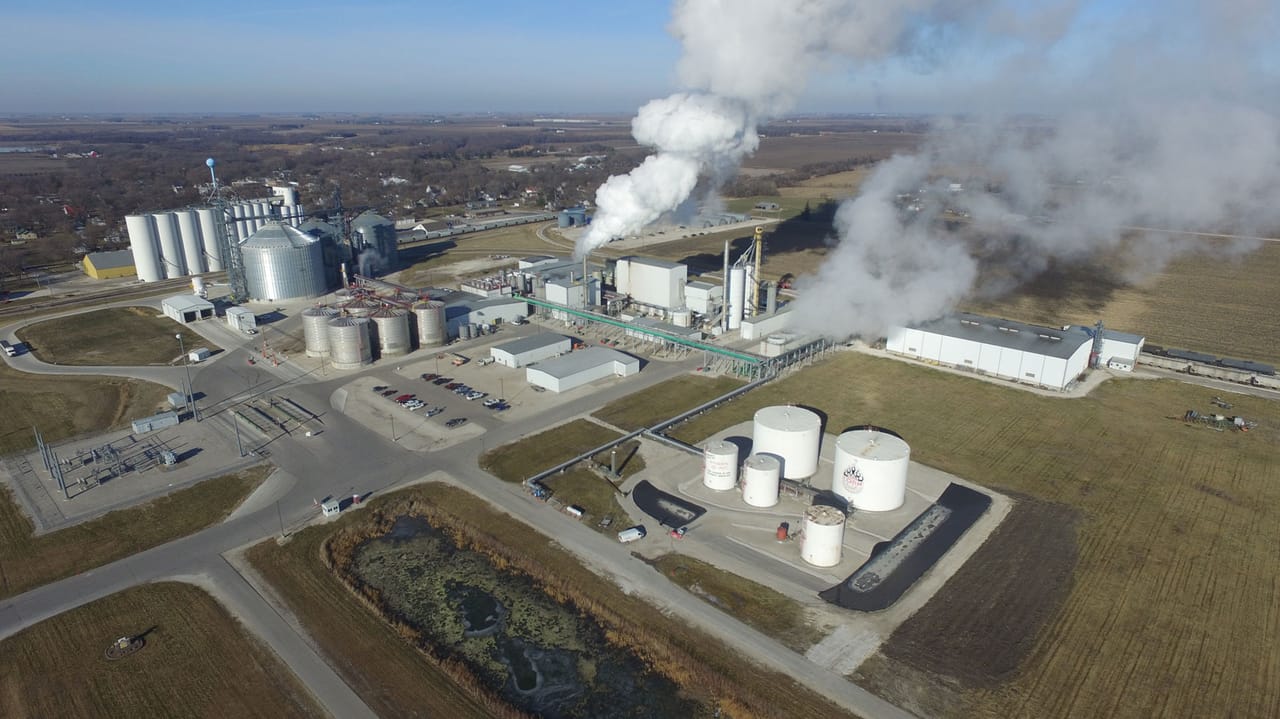
There’s hope that can be duplicated with other biofuels.
“For about 20 years, ethanol drove corn demand to where it sucked up extra corn production capacity we had from the ’80s and ’90s, and it kept up with productivity,” said Monte Shaw, Iowa Renewable Fuels Association executive director. “We finally found something that could suck up all that overproduction.”
“Ethanol is like a cow; it consumes corn and creates other products,” Hart said.
That ability makes a tremendous impact on the livestock industry. That’s because to make ethanol, all that’s taken from the kernel is the starch. “All the protein goes into livestock feed,” Shaw said.
Ethanol production also benefits the community.
“Ethanol plants draw in corn from 30 to 60 miles around it,” Shaw explained. “The demand raises the basis. It’s helping everyone from farmers to Main Street — someone is driving those trucks.”
Ethanol was an eye-opener that a new market could be the next big thing. “We are going to build off that, like sustainable aviation fuel,” Roberts said.
Products are moved by car, boat, train or plane. Roberts hopes the future includes a fuel that is made from corn that can move those goods.
“If you look at the last 20 years, it’s amazing what renewable fuels have done in the economy,” Shaw said. “But now, ethanol demand has leveled off, while farmers keep producing more. The good news is there are huge new markets if we have the foresight and the political will to open them up.”
Changes in animal nutrition
Ethanol didn’t just change fuel markets. It reshaped livestock nutrition, too.
“Throughout our long history growing corn, it has been that No. 1 feed crop used in North America to feed our livestock,” Hart said.
Iowa is fourth in the country in cattle on feed.
“Iowa corn is very important to our industry,” said Bryan Whaley, CEO of the Iowa Cattlemen’s Association. “We have a large amount of feedstuffs in the state of Iowa. We aren’t like other states that have to import it.”
And that corn-fed beef is highly sought after, Whaley said. The grain-based diet increases the fat-to-muscle ratio, resulting in more marbling and a higher-quality product.
“We have a tremendous number of cattle to feed,” Whaley said. “A lot of cattle producers feed their own cattle, which reduces transport costs,” translating to 1 bushel of corn converting to 8 pounds of beef over time.
“When we have a surplus of corn, it really helps our quality,” he said.
And the ethanol industry has been a benefit to the livestock industry.
“By using the corn for ethanol, we get two uses,” Hart said. “Adjusting distillers grains has evolved over time to suit the livestock feed demands. It’s not just we feed corn because it’s available; we do a better job balancing the needs.”
In addition to using the distillers dried grain with solubles in rations, producers can utilize fall grazing, use corn stover for bedding and spread the used bedding back on the field.
“It’s a full-circle process that we utilize,” Whaley said. “We complement each other.”
The diversification of grain and livestock benefits both markets.
“A lot of Iowa corn producers are also livestock producers,” Roberts said. “Any time Iowa’s ag demand is good — pork, beef, egg demand — they both support each other. They go hand in hand.”
Beyond the big demand drivers, farmers are also leaning into specialty markets that reward specific end uses.
Specialty markets
When lower commodity prices are the reality, farmers look at their input costs and their end-use markets, said Brandon Walter, U.S. Pioneer corn marketing lead.
“We are developing hybrids that fit end-use markets that bring farmers value for whatever end use they choose — whether that’s grain corn, silage corn, ethanol, white corn, waxy corn, yellow food-grade corn and conventional,” Walter said.
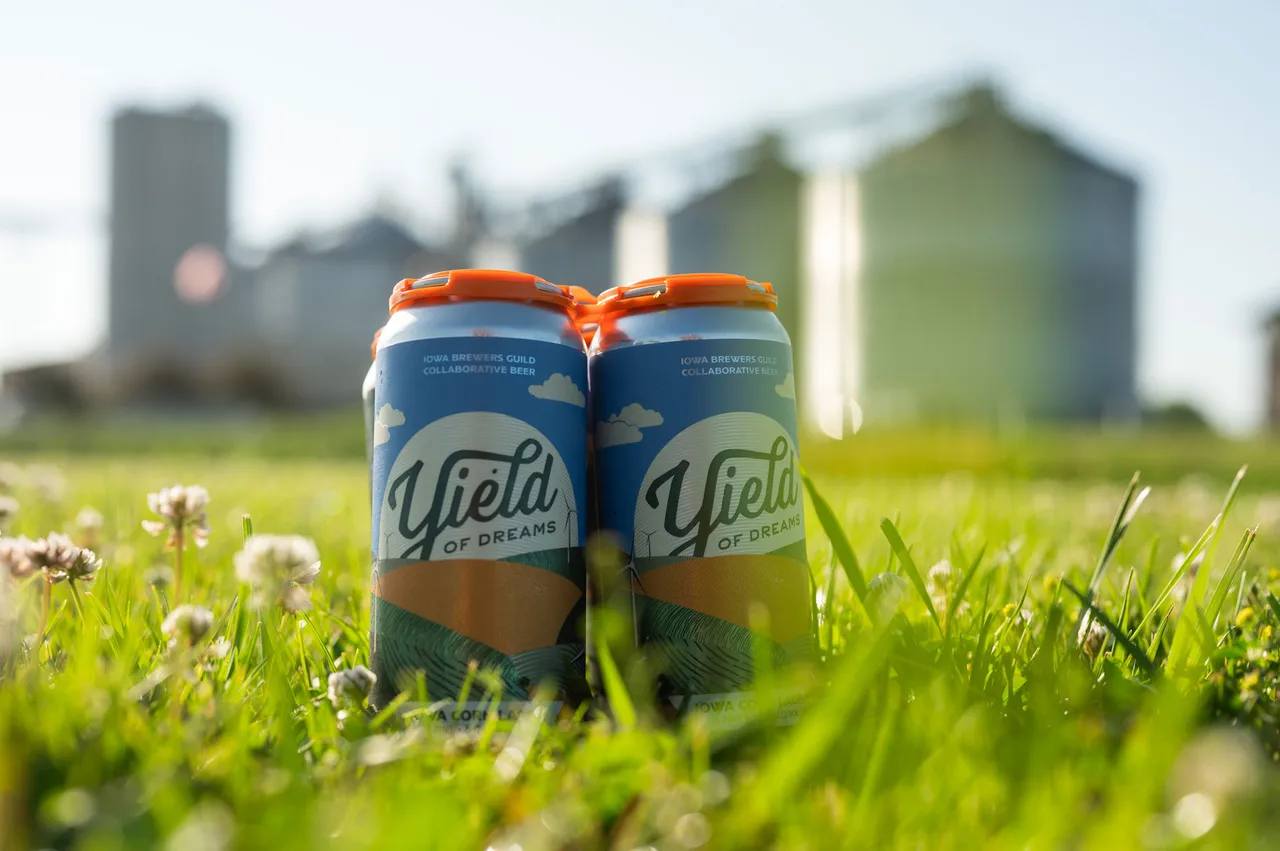
Pioneer focuses on the needs of each customer. “Customers have chosen to partner with us with a lot of these specialty markets because of the diversity in our germplasm and our breeding for each of those specific markets,” he said.
The industry is improving at communicating core values and educating the consumer, Walter said.
“Seed is at the beginning of many value chains. And if our products don’t meet each market’s needs, there can be an impact on food prices at the grocery store or what you pay at the gas pump,” he said. “Most consumers don’t realize corn is utilized in so many everyday products in their lives, nor do they understand how the price of these products can be affected when corn feedstock supply is uncertain.”
“If you look at the evolution of food, feed and fiber, it’s more amazing and impactful than anything we did in space,” Shaw said. “The productivity is mind-blowing if we didn’t take our food for granted.”
Driving advancement through tech
To keep pace with growing productivity, the industry continues to look ahead to what comes next. Typical genetic gain for corn has been about 2 bushels per year.
“1926 was not only the start of Pioneer, but also the development of hybrid seed corn being utilized in the marketplace,” Walter said. “Henry A. Wallace built Pioneer on hybrid seed corn. Hybrid seed corn has changed in waves over the course of the last hundred years.”
And now, he said, the industry must find a way to create a new market. As more bushels of corn are grown, so grows a supply and demand problem for farmers.
“We need to increase the need for ethanol and drive additional usage of our corn,” Walter said. “Pioneer hasn’t been around for 100 years without bringing more innovation for our farmers and helping them be successful.”
“On the cattle side, there’s a lot that’s helping us with health management,” Whaley said. “Technology and innovation are going to be a game-changer.”
Roberts said he hopes that the abundant grain that farmers are adept at growing will be taken advantage of.
“When we look at U.S. corn, the starch, fiber and protein our corn kernel has compared to other countries — it’s much more of a benefit for ethanol and animal feed,” he said. “You really see the benefit of what we have to offer. Being able to share what we do gives us that global edge.”
Experts point to the same reality: Corn’s future depends on building the next wave of markets and smarter uses for the crop.
Birchmier writes from Maxwell, Iowa.