There are many forage experts in the industry. Unfortunately, a vast number are just “silo smart,” meaning they have deep knowledge about a small slice of the industry that produces forage, but not enough to step back and see the way quality forage production interacts in a holistic system.
They miss the many in-between steps that can significantly affect outcomes on a farm.
When I started 50 years ago, it took me several years before I learned to approach it from both the production and consumption side — to see an entire system and manage the processes that affect it.
One of the first things I learned is that some farms will buy very expensive forage seeds for high quality, but they will not take a soil sample to see if it will grow in their soil. They just throw fertilizer out there based on what their neighbor did without the results to pay for it.
I remember setting up a sulfur trial on alfalfa on a research farm I was working at. We carefully laid it out, spent time and money to get the sulfur, and then applied it in replicated random plots. The process was somewhat rushed, and we did not have a soil test done before. The results were awful.
Yields were horrible, and the stand was visibly dying. We took a soil sample after the research was done and found that the pH was 5.7, so low that not even grass can grow well.
Of course, farmers will often blame it on “that lousy seed variety” or even bad weather. But sometimes looking in the mirror is where the answer lies.
My change in ‘attitude’
When I was working in Extension, my responsibilities were primarily agronomic. Computers were just coming along. (Yes, it was 100 years ago, when newsletters were on stone tablets.) My farm management agent had a full plate of responsibilities and did not feel confident learning dairy rations on a computer.
With help from Cornell, I got pretty good at doing rations for her, and subsequently became a better agronomist as I no longer looked at it as stuff to put in the silo, but rather as components of a profitable dairy feeding and production system at the cow’s mouth.
In those days, alfalfa haylage was commonly testing at 0.56 to 0.58 net energy of lactation, with an occasional 0.61. While at a pasture meeting once, a researcher showed fresh samples testing at between 0.72 and 0.74. I was shocked. That is almost a 30% difference. Where did all the energy go in our alfalfa?
In my subsequent research, I found that drying directly in windrows was composting the forage, with the shade inside the windrow burning up energy in plant respiration while jacking up the soluble protein, which limits the fed forage.
When we mowed directly to a full width (minimum 85% of mowed swath), it dried for haylage in two hours, and the sugar levels and the milk per ton were significantly higher than those from narrow swaths. Three hundred more potential pounds of milk per ton makes a difference in the milk check.
Inoculants mean more milk
I am dismayed by the number of farmers who think they can ensile forage directly from the field without any inoculant, especially hay and winter forages.
In our controlled trials testing different inoculants, the measured increase in feed quality was equal to 2.3 pounds of milk per cow per day for inoculant-treated forage compared to no inoculant.
It’s important to make sure the applicator is not killing the inoculant before it reaches the plant. I remember one machine had the tank mounted down in the engine compartment where the water temperature was more than 180 degrees F. Others have clear tanks mounted on top where the sun can penetrate and heat the solution, killing the bacteria.
Some applicators and producers have thought this through and now realize the importance of an inoculant in preserving forage quality. Their tanks are insulated and surrounded by reflective foil, and in some cases, foil with foam insulation.
On refill, they often put in a block of ice for very hot days. Those selling you seed or balancing the ration are often too busy and focused on other things to check if the inoculant is alive to do its job.
Don’t overlook feedout
A part of the system that often gets overlooked, except by a very careful nutritionist, is the feedout face.
I remember one time a farmer had just finished morning feeding when I stopped by. After looking at the silo, we got two forks and the loader, and just forked up the loose feed into the weight wagon.
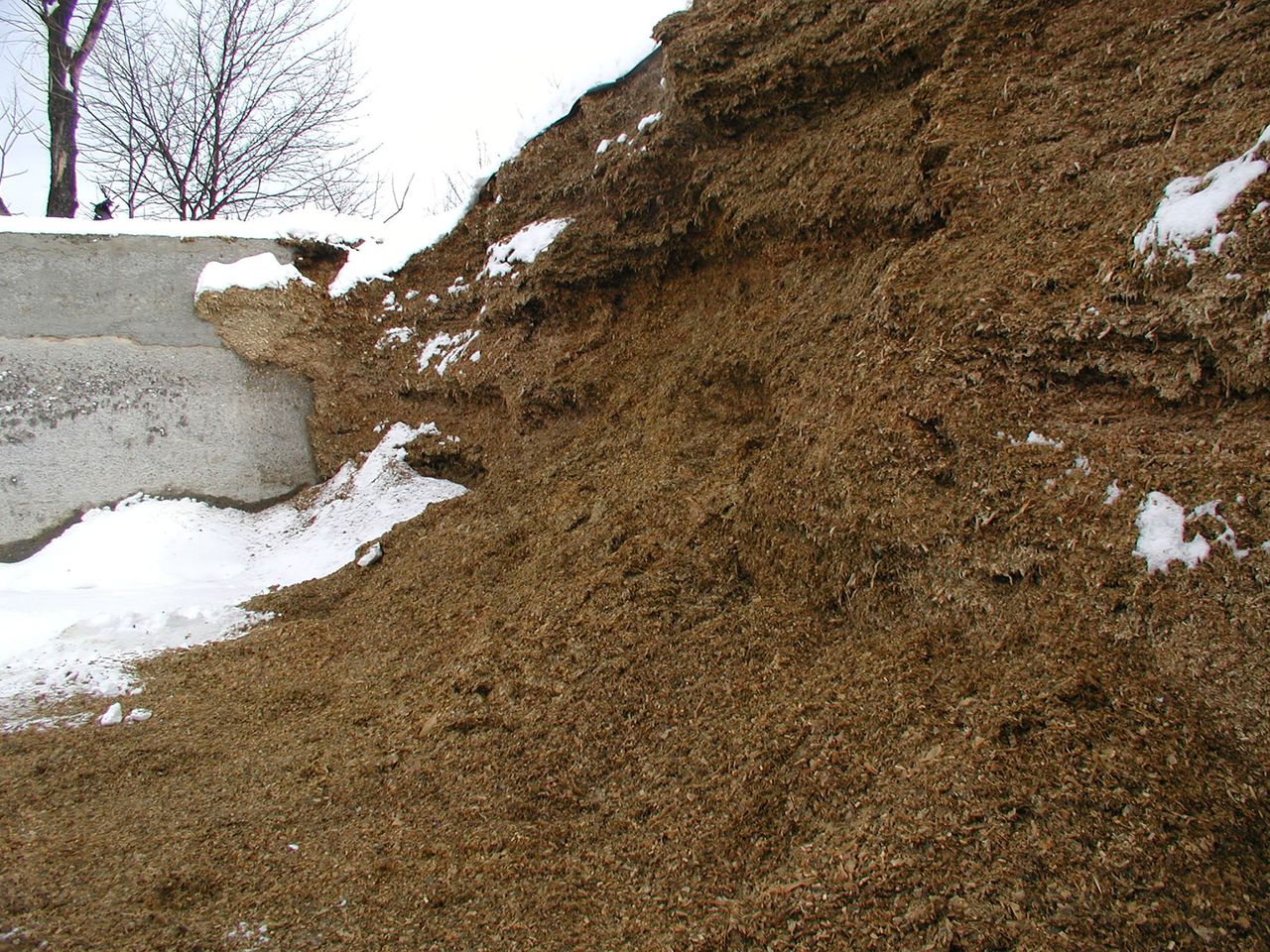
It was amazing that 110% of the next haylage feeding and 95% of the next corn silage feeding was lying loose on the bunk floor, decomposing for the next eight hours before the night feeding.
A farmer who knew of this work and was hosting a silo meeting the next week decided to have a tight clean face before everyone showed up to this farm. In the intervening five days with tight, clean bunk face, the 200 cows’ production went up 1 pound of milk, no other changes. In two weeks, he was up 5 pounds of milk per cow, which at that time increased his income by $61,000.
Each of these examples can have a significant impact on farm profitability, but they are often overlooked in the management review. Each step from the soil to the cow's mouth needs to be in sync with the rest of the system.
They are not instant answers for farm profitability, but a systemic approach.