by Emma Alexander
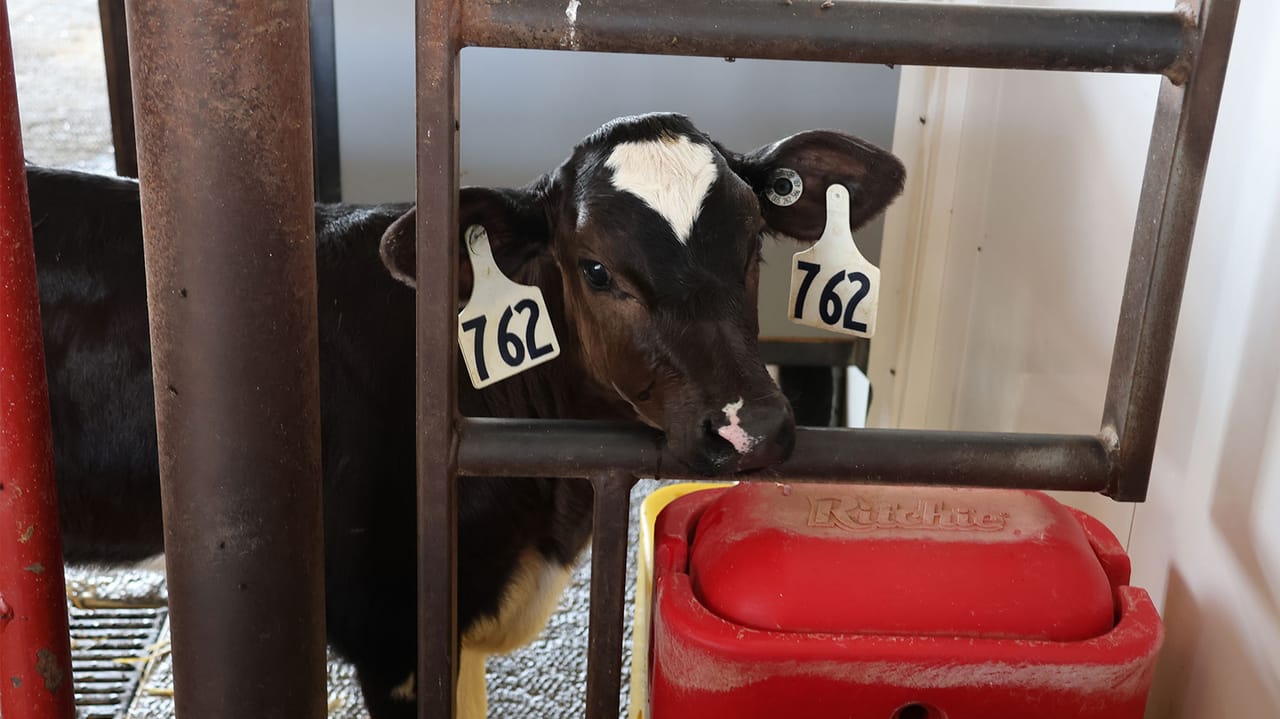
Brian Riegel manages the well-being of 700 dairy cows that produce milk and so much more 365 days a year.
Riegel Dairy, located in east-central Missouri, is installing a co-digestion system for cow manure.
“Dairy cows are the best upcyclers. They eat things we can’t and make milk and beef,” Riegel said. “Now, we can take the wastes from their processes to produce energy and diversify the income of the farm.”
Manure from the farm and other organic waste (such as food or yard waste that would fill up landfills) will be processed. Enzymes and monitored temperatures in the digester maximize breakdown.
The digester will capture carbon dioxide and methane. The solids that remain become biochar, which is heated to produce pure carbon in solid form.
This carbon is a valuable soil amendment for farmers, Riegel said. The carbon dioxide will be sold in cylinders, and methane will be sold directly into the natural gas pipeline that runs parallel to the farm.
When dairy farmers like the Riegels invest in these technologies, dairy farms become net energy producers, creating more than they consume.
Sharing the dairy story
This third-generation dairyman is stepping off his family’s farm near Washington, Mo., in Agri-Ready-designated Franklin County and stepping up to the plate as a member of Missouri Farmers Care’s 2026 Race to the Plate Farm Team. Riegel Dairy is a member of Midwest Dairy, a partner of Missouri Farmers Care in the Race to the Plate.
“Race to the Plate has been and will continue to be a great experience,” Riegel said. “It has been fun to meet a team of farmers from other commodities and share a common goal.”
For him, this is also a way to have a little fun off the farm while showing St. Louis Cardinals fans and consumers how dairy farms can produce more than nutritious milk.
“There’s no better time to be a farmer producing healthy products than right now during the MAHA [Make America Healthy Again] movement. Consumers are looking to get back to the basics of nutrition,” Riegel said. “Dairy is the gold standard protein source. It builds and retains our muscles and bones. Dairy fats and sugars are pure, healthy and the world’s best.”
Family business
Riegel Dairy began with Riegel’s grandparents in 1947. Today, it is a partnership between Riegel, his cousin Jeff and his brother Jon. His father, Ken, and uncles Dave and Rick are still involved on the farm daily. Fourth-generation Riegels Cole, Gavin and Elliot are also employed by the business.
The farm supports 40 nonfamily agriculture jobs in Agri-Ready-designated Franklin County. One employee has worked for the dairy for 40 years.
“Farmers can no longer operate dairy farms just because they ‘want’ to. We must operate with science and efficiency,” Riegel said. “We constantly improve our labor needs through automation and equipment. We continually research to improve our feed efficiency per dollar spent and per acre used. Our next project is to make the dairy energy-efficient, too.”
Cow diet science
Riegel Dairy grows the corn and wheatlage needed to feed its cattle. The operation is also adopting the newest soybean technology on the farm.
These specialized soybean varieties are developed to produce oil with over 70% oleic acid — a monounsaturated, heart-healthy fat. The oil is used as dairy feed to increase milk fat content and avoid milk fat depression.
The development of high-oleic soybeans was led by support and investment from Missouri soybean farmers and their checkoff program.
“We are excited to feed our cows high-oleic soybeans,” Riegel explained. “These beans are more energy dense than traditional beans and are safe for our cows’ rumens.”
With this diet upgrade, Riegel said his cows will produce more butterfat in their milk, and butterfat is essential to making products such as butter and ice cream.
From nutrient-rich milk to renewable energy and soil solutions, Riegel Dairy reflects the continual drive of Missouri agriculture — where innovation, opportunity and stewardship go hand in hand.
For Riegel and his family, the future of dairy isn’t about what cows produce. It’s about how farms can give back to their communities, their consumers and the land. He serves on the Dairy Farmers of America resolutions committee. In pursuit of a passion to eliminate pharmaceuticals, Riegel has diversified his income by growing fibrous and floral hemp.
Farm history
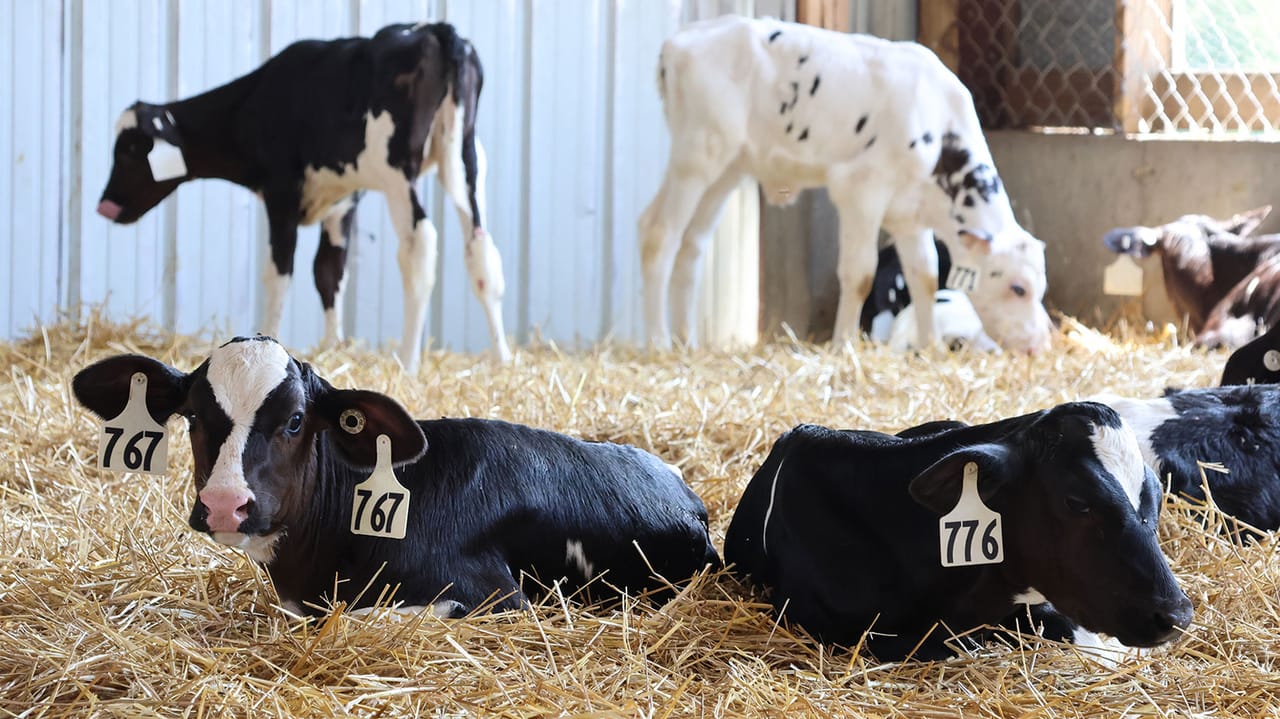
In 1947, Riegel’s grandparents got a cow for a wedding present. “Legend says that a neighbor’s bull crossed the fence, and then they had a dairy farm,” he said.
Here are some other key dates in the farm’s history:
1980s. The second generation of Riegel dairymen updated the parlor, improved housing to provide the best cow comfort available and invested in better genetics.
2018. Riegel and his partners continued the family business for a third generation, focusing on automation, robotics and other technologies.
Alexander writes from Olga, Mo.