The decision to build any infrastructure on the farm is not one that’s undertaken on a whim. Whether it’s a new machine shop, a new livestock-sorting facility or even an addition to the home, farm families often spend years considering their options until finally making a construction decision.
And choosing to expand on-farm grain storage is one of those critical decisions farmers may be considering today.
Jesse John, a farmer near Thayer, Kan., raises wheat, corn and soybeans. Over the past several years, he and his brother, Joseph, and father, Robert, made the decision to expand their grain storage.
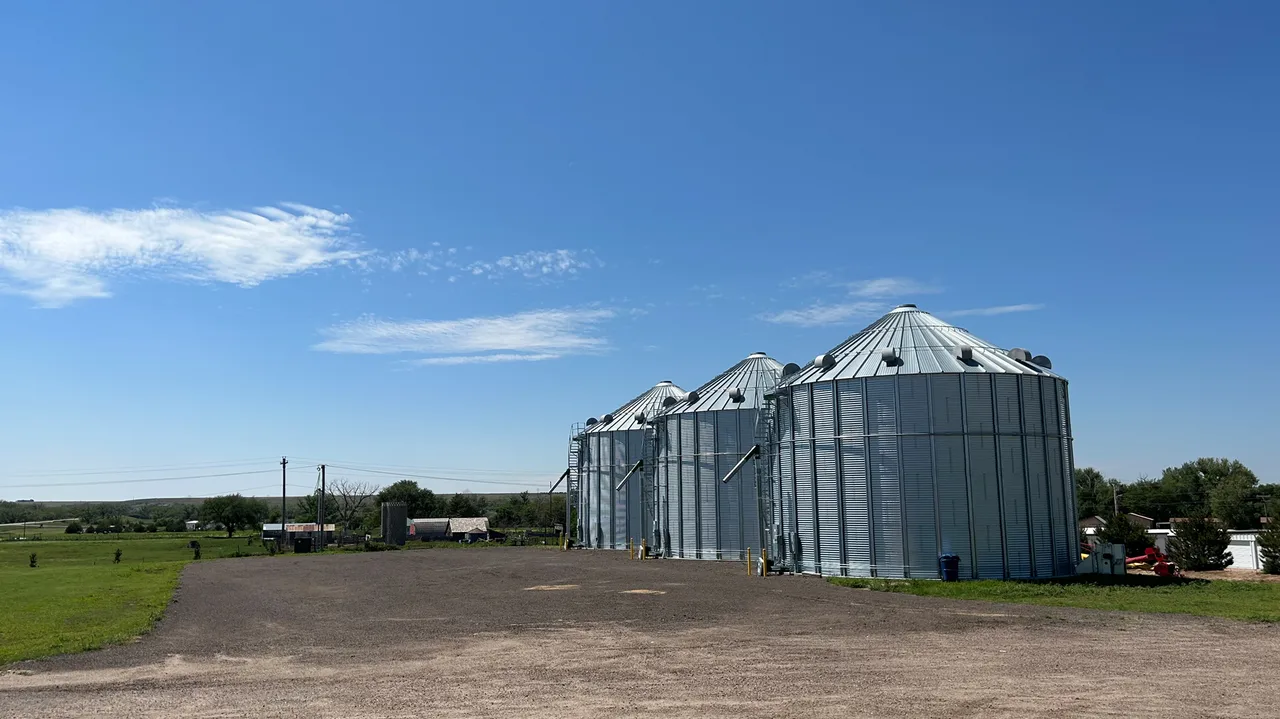
Today, they have eight GSI grain bins, including two 75,000-bushel bins added last year and another one on the way this year. That brings their total storage capacity to about 450,000 bushels of grain on the farm, with an eye toward adding more rings to existing bins to further increase their capacity in the future.
“Our plan just started off small,” Jesse said. “We just built one at a time when we started. Mainly it was for more efficiency — being able to go straight from the field to the farm instead of having to go to the elevator and waiting in line.”
Part of that efficiency was figuring out a logical travel pattern to and from the new bins. In the end, the Johns chose to build their bins off the farmstead and on a piece of ground they owned near a good road and with plenty of room to expand. They worked with GSI dealer Summit Contracting on the expansion project.
“When we built our bin site, we actually moved it away from the farm, and it’s not even a quarter of a mile away, but we moved it somewhere where we could build a bin row,” Jesse said.
This one decision improved their efficiency in moving grain. Rather than maneuvering modern equipment through travel patterns decided by previous generations on the farm, who had much smaller equipment to move, this off-site plan means they can set up a travel pattern that accounts for future expansion.
Looking in retrospect
One thing that Jesse said he wished they might have done differently is start their grain bin site with three-phase electricity, instead of single-phase. He explained that at the start of this project, they were thinking they would build smaller, 35,000-bushel bins, and single-phase electricity would do.
Jesse said the family really sees the efficiency of their on-farm storage at harvest, when time is a critical factor. They can harvest when the crop conditions are right, and as long as the weather and equipment allow them.
Considering how crop yields continue to trend upward, even in slim years where weather is a factor, having more storage options might make a difference to some farmers.
Almost 20 years ago, Kansas State University’s “The Economics of On-Farm Storage” made the case that farmers looking to capture additional profits from marketing to the growing ethanol industry in the state might benefit from expanding their on-farm storage. That opportunity is still there for many.
Other factors that farmers might consider in choosing to build on-farm storage include the growth of large dairies in the western and central parts of the state, with demand similar to the large feedlots for grains. And some also may have changed their cropping mixes to include more specialty crops that have a market opportunity but also require segregated storage.
Additionally, Jesse said having storage capacity for their crops gives the family a bit of a time cushion to shop around for better prices for their grain.
“With really just how volatile the market is, and with everything that’s going on, not having to pay storage and to be able to move that grain when it needs to be moved is a big selling point for expanding storage,” he said.
Off-farm storage options
Of course, there are options aside from investing in on-farm grain storage. Iowa State University Extension and Outreach has a rundown of choices, including these three:
1. Condominium storage. The first option involves the tried-and-true path of storing grain at a commercial elevator or the local cooperative. Generally, according to Iowa State, the farmer must invest to reserve a fixed volume of storage, whether that’s through outright ownership or a long-term lease. This avoids the high upfront costs of building on-farm bins.
The elevator manages the grain and its quality, and the grain is already at a merchandising point, so there’s no additional transportation. Plus, there is purchasing power with a commercial elevator when it comes to construction costs; they often can build storage capacity at a lower cost per unit than producers can, according to Iowa State.
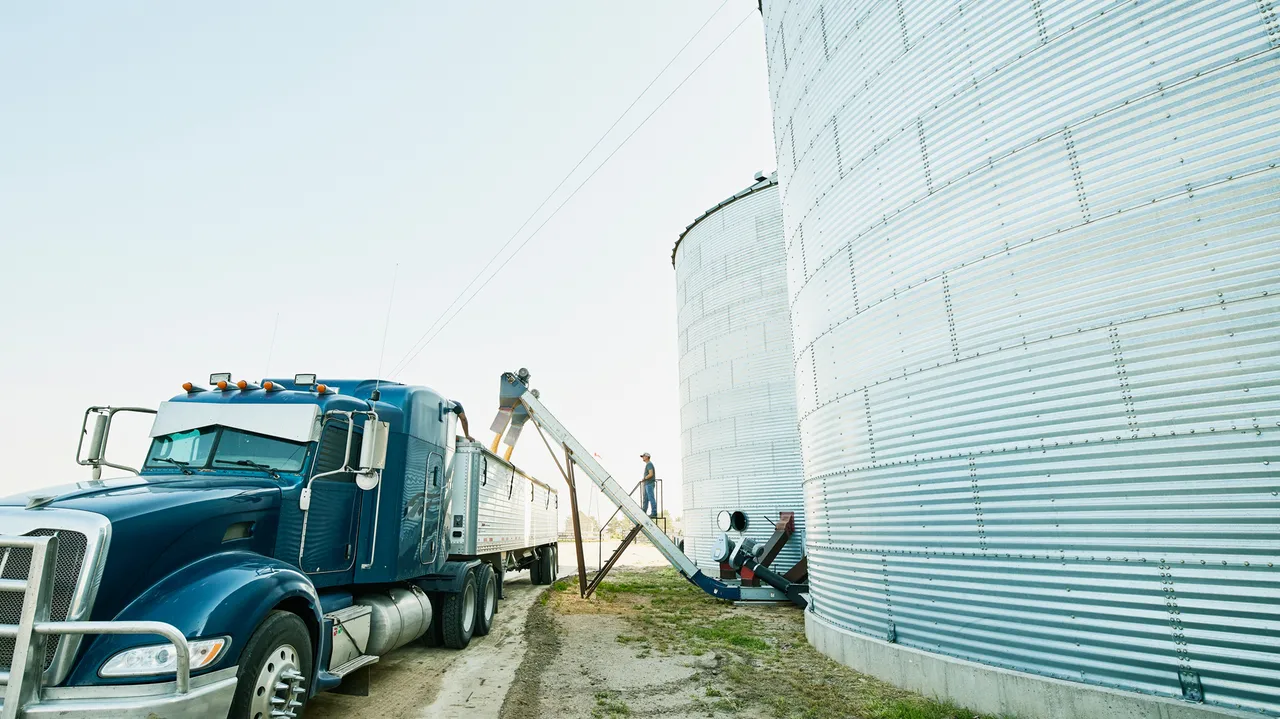
But, on the flip side, farmers may be locked into selling grain through that storage facility, depending on the contract. And there’s a cost to that storage that they need to factor into their breakeven numbers.
2. Commercial storage rental. This might be an option for farms that have widely variable harvests from one year to the next, or if they just need supplemental storage in those outstanding yield years.
On the one hand, the producer only pays for the exact capacity they need, for as long as it’s needed, and the elevator manages the grain’s quality. On the other hand, there’s still a cost to this plan, and if grain needs to be held longer past harvest for marketing advantages, those commercial storage costs may eat up any profits.
3. Existing on-farm storage rental. For many farmers, this may be a key point in their farmland lease agreements, or it may be a separate lease agreement. This strategy puts storage already close to the field, and rental rate may be competitive against the commercial elevator storage rates.
This also gives the farmer flexibility to market grain where they choose and when. However, this only works if the farmer is able to maintain that stored grain himself, in a rented grain bin that may not have updated technology. And if the lease isn’t renewed, the farmer has to find somewhere to go with that stored grain.
Cost factors to consider
Storing grain, whether in owned on-farm storage or some sort of leased storage arrangement, has fixed and variable costs, according to K-State. Especially with slim margins today, the choice to build storage or not could wind up costing more than expected.
Fixed costs are those that are incurred annually whether there is grain in the bin or not. Those would be the cost of owning the storage facilities, like depreciation, interest, taxes and insurance.
Consider, too, the construction costs of the storage facility you have your eye on. Prices for materials, the accessories and aeration equipment, site preparation, construction labor, and more may rise in today’s economic conditions, so timing may be a large factor in choosing whether to build.
K-State advises accounting for the total costs of construction of the bin or the total facility, accounting for the other fixed costs over the lifetime of the storage facility, and then calculating a per-bushel estimate for the bin size considered. This can better show a farmer any economies of scale possible for their project while also giving a good idea of the ownership costs of the system.
Variable costs are those associated with handling the grain, monitoring its aeration and quality during storage, and dealing with shrinkage. Consider the utilities needed for the augurs, the dryers and aeration, as well as insecticides, repairs and transportation.
Don’t forget to consider, too, the interest costs of holding the grain, instead of selling it to pay off debt, or to invest that income into a financial product that could provide returns to the farm. With interest rates and crop input costs today, this may be a critical overlooked factor.
At the end of the day, the decision to build or to lease storage is worth some pencil time at the kitchen table, as well as a call to a financial and tax adviser.