Austin Copenhaver and two college buddies once dreamed of running a 3,000-cow dairy together. Today, that dream has grown into a web of partnerships spanning three farms — and, in his view, it offers a blueprint for the next generation of farmers who don't have land of their own to inherit.
"Our goals when we would sit around and talk were to have our own dairy farm and to make lots of money," Copenhaver said.
Whether they "made a lot of money" is something Copenhaver and his partners, Garrett Eiholzer and Clayton Wood, keep close to the vest. But from his standpoint, the farming partnership they built together is going strong.
"We each had the same goal, and that was to farm with at least 3,000 cows," Copenhaver said at a recent dairy financial conference in Harrisburg, Pa.
USDA estimates that 70% of U.S. farmland will change hands over the next 20 years as the current generation of farmers ages out. For young people without a family farm to buy into, the cost of entry is only climbing. Copenhaver's story is one example of how a nonfamily partnership can open a door that might otherwise stay closed.
Betting it all, together
The trio looked at various ways of getting into business together, from leasing facilities to buying cows outright. In 2013, they connected with Todd Hathorn, who ran a 400-head dairy farm in the Finger Lakes but was looking to retire.
They partnered with Hathorn, formed an LLC and named the business Ivy Lakes Dairy.
Copenhaver said they were then approached by an older couple who were already in a partnership with another farmer but were also looking to retire.
"A partnership was set up, but they didn't necessarily want to sell their cows,” he said. “They had some pretty good registered cows and wanted to kind of continue farming. They approached us about housing a couple hundred more cows. It ended up being 300, so we worked a deal with them.”
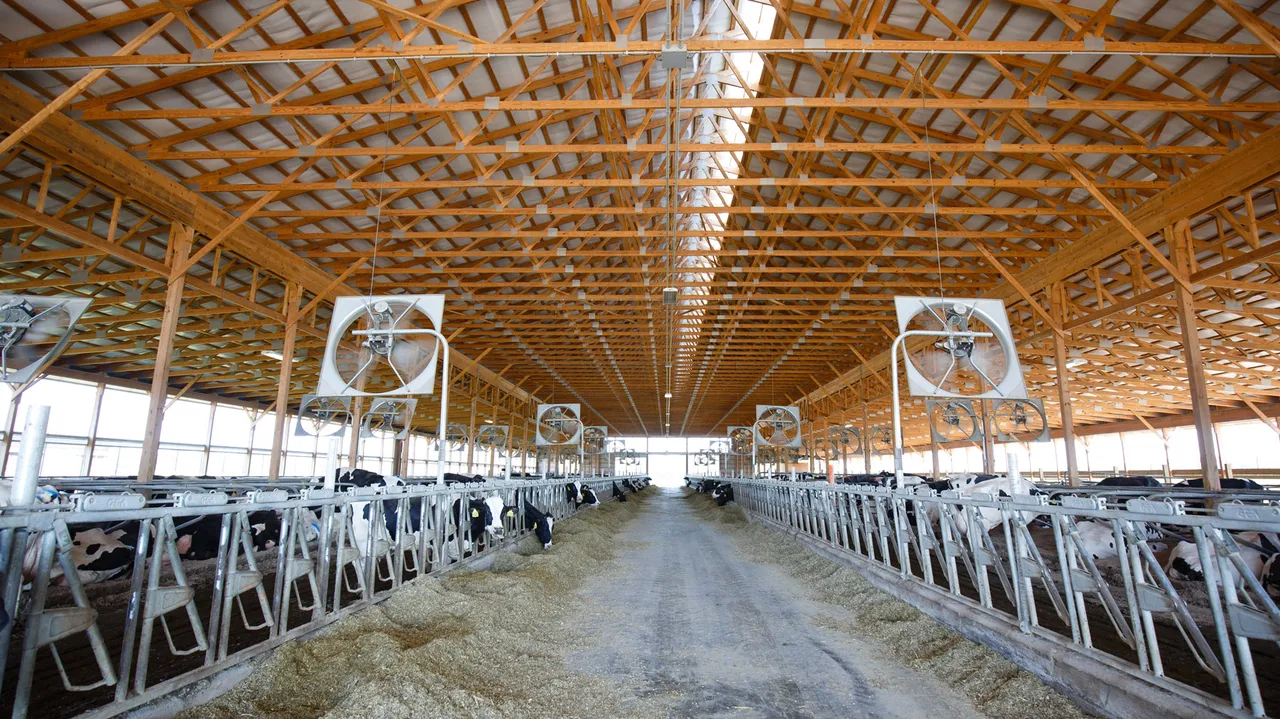
Hathorn helped the trio expand and modernize the facilities. A 300-head freestall barn was built, and the double-10 milking parlor was expanded to include another double-10 parlor right next to it.
"That gave us a nice bump in a growth direction to get us to around 1,000 head, and then it's just kind of been slow growth here in the last couple years," Copenhaver said.
Ivy Lakes Dairy now has 1,250 head with a rolling herd average of about 31,500 pounds — a high-producing dairy.
"We probably took on enough risk as we did not have a lot of funds,” Copenhaver said. “We probably had, I don't know, 80 or 100 grand between the three of us, and maybe 25 cows or something that we brought there that Garrett had bought. So, that's how we pushed through that.”
Branching out, without breaking apart
As Ivy Lakes stabilized, the partners began exploring individual opportunities that would complement rather than compete with their shared venture.
Eiholzer runs Ivy Lakes full time, but Wood now runs an unrelated business in western New York.
For two years, Copenhaver ran another dairy farm on contract. He was then approached by Jeff Dan, the forage supplier for Ivy Lakes, about partnering to buy a neighboring farm.
"Jeff said, 'Hey, I have the opportunity to buy this farm. It's a dairy farm. Would you be interested in running it, managing it and being a partner with me?'" Copenhaver recalled.
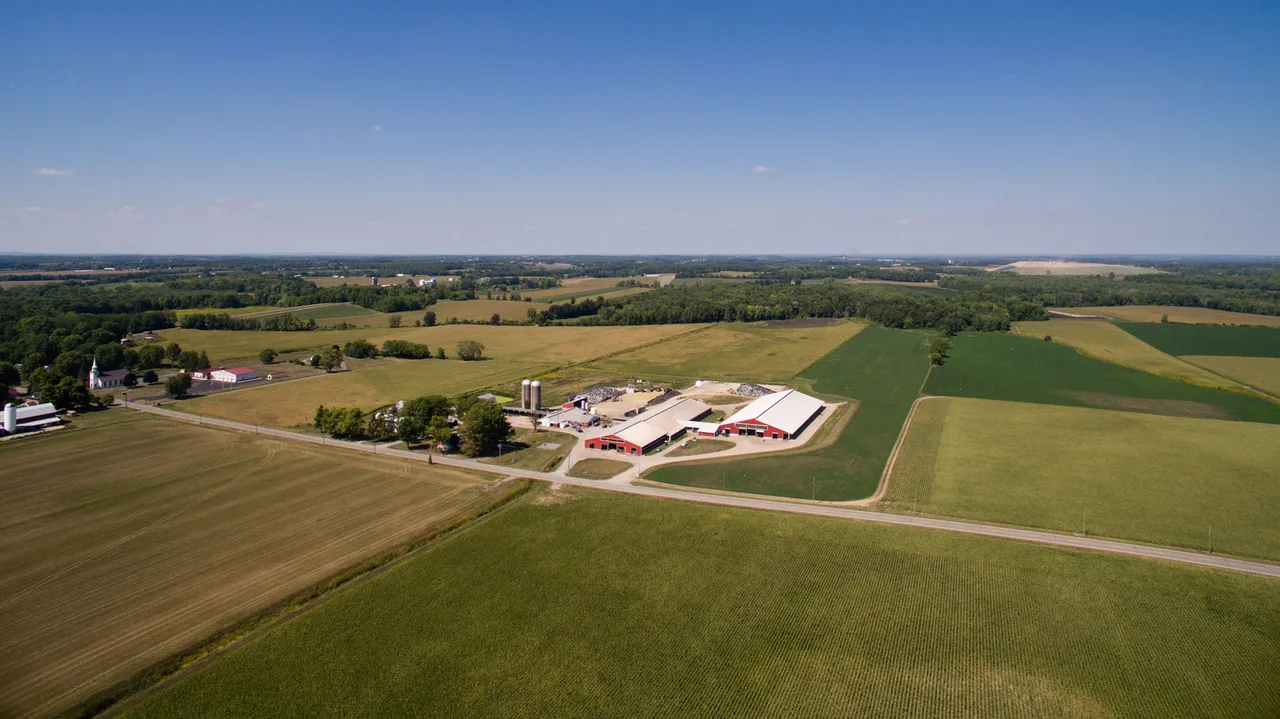
Rather than return to Ivy Lakes and displace the people already managing the operation, Copenhaver took the plunge and became a partner in Gorham Dairy.
"For me, it was great because I could still be a part of what was happening at Ivy Lakes without displacing the other guys on the cow side and still be a part of what was going on,” he said. “And it was 3 miles away.”
The glue: Shared vision, constant talk
Having a shared vision and goal was key to making the partnership work, Copenhaver said. Each partner brought his own unique skills and experience to the business, and they communicate constantly — three to four times a week by phone.
"I think in general, doing partnerships the way we've done them and pursuing them as hard as we can is, to a point, thinking outside the box a little bit," Copenhaver said.
But it's also challenging. The biggest challenge, in Copenhaver's experience, is managing different personalities.
"You can have the same vision and goals, but everybody might see a different path to getting to that goal and achieving that vision," he said. "Like Garrett at Ivy Lakes, I'd call him a mad scientist.
“He can manage that place to make 7.5 pounds of components, but it visually might look a little differently than how I would keep the farm from just maintenance and that kind of thing. But it works, and I'm not going to get too fired up about it."
Don't just partner with anyone
With most U.S. farmland expected to change hands over the next two decades, Copenhaver believes partnerships built on shared vision, not shared bloodlines, could be one answer for the next generation of farmers priced out of land ownership. But he's careful to stress that it only works with the right people.
"I think the biggest things would be finding good people to work with, whether that's partners on a day-to-day basis, like the three of us, or whether that's consultants and that kind of thing,” he said.
“Just don't be afraid to say, 'I personally, me alone, can only go so far. So, who can I work with? Who has that in-line vision and integrity that I can work with?' And say, 'You know, your goal is this, my goal is this. How can we work together to both reach our goals?’”