According to the Kansas Livestock Association, the Kansas beef chain — from the ranch to the feedlot to the processor — generates about $22.89 billion each year in economic output for Kansas and supports approximately 57,400 jobs.
In the Golden Triangle of Meatpacking — the southwestern Kansas cities of Dodge City, Garden City and Liberal — four meatpacking plants account for a little more than 12,000 of those jobs. And about 60% of employees are foreign-born workers.
If you also consider the workforce in the state’s feedlots, large dairies and other parts of the food supply chain, foreign-born workers are a key component in the agricultural economy in Kansas.
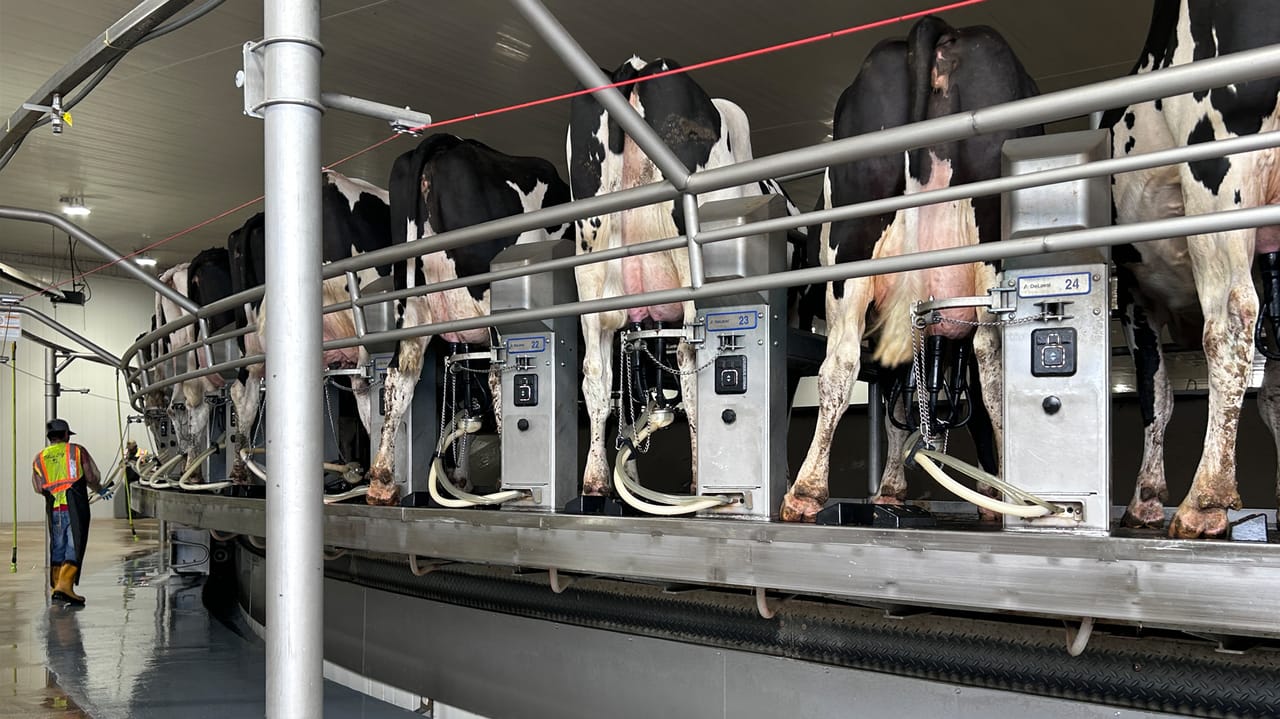
“The reality of our food production system across the country is immigrants are critical, whether it’s harvesting fruits and vegetables in California or wherever, or in southwest Kansas getting cows milked, cattle fed, and cattle harvested and processed,” KLA CEO Matt Teagarden said.
It’s one of the reasons Teagarden is serving as chair of the American Business Immigration Coalition Agricultural Council. He said this national, bipartisan organization is working on immigration reform for several business sectors, such as construction and hospitality, but also in the agricultural sector.
Partnering with ABIC, Teagarden said, amplifies KLA members’ voices on this topic across the country.
ABIC lobbies for “creating legal pathways and work permits for long-term immigrants who have worked, paid taxes and contributed for years to grow our economy,” he said.
Among the serious bipartisan proposals that ABIC is lobbying to pass in the lame-duck session this winter before the next Congress takes its seats are:
H.R. 1589, Dream and Promise Discharge Petition. Sponsored by Rep. Sylvia Garcia, D-Texas, and Rep. María Elvira Salazar, R-Fla., it proposes a path to citizenship for Dreamers and those with legal work permits under temporary protected status.
S. 3348, Dream Act of 2025. Sponsored by Sen. Dick Durbin, D-Ill., and Lisa Murkowski, R-Ark., this legislation would offer citizenship for vetted individuals brought to the U.S. as children who worked legally for three years, pursued higher education or served in the military.
H.R. 4393, Dignity Act. Sponsored by Elvira Salazar and Veronica Escobar, D-Texas, this bill proposes a seven-year work permit for noncriminal immigrants in the country before 2021 and invests in border security and job training for Americans.
S. 5197, State-Sponsored Visa Pilot Program Act. Sponsored by Sen. John Curtis, R-Utah, and Sen. Mark Kelly, D-Ariz., it would give states discretion in designing work-permit programs that fit their particular economic needs.
H.R. 9535, Securing Agriculture’s Workforce Act. Sponsored by Glenn “G.T.” Thompson, R-Penn., this measure would expand the H-2A program to year-round contracts, those working in the dairy industry and long-term immigrants working in agriculture.
A closer look
Following the midterm election, ABIC hosted a press call Nov. 5 with Durbin, who spoke about the options that Congress has on the table to address immigration policy.
ABIC is urging Congress to advance work permits and legal status for Dreamers, longtime holders of temporary protected status, spouses of U.S. citizens, and other long-term immigrants who have worked and contributed to their communities for years.
“The people that I work with in the Senate, many Republicans included, feel that we’re long overdue putting together a sensible immigration policy,” Durbin said on the call. “We can have a safe and secure country. We can have a border policy that makes sense as well. And we can treat people humanely.”
For Kansas livestock producers, KLA has had policy stances on the books for years supporting H-2A reform and adjustment in status for the current workforce, Teagarden explained. And the Securing Agricultural Workforce Act that Thompson introduced covers both of those policy concerns, he added.
“It offers H-2A reform, it allows livestock operators to access the program, it adjusts status for current workforce with a vetting process to identify the true criminals and get them out of here,” Teagarden said. “But for the folks who are hardworking, been part of their community for years, raised families in their community, it also offers the opportunity to get legal status.”
If nothing happens during the lame-duck session, the new Congress coming in is very likely to take up the work that’s been started.
“The key piece is that the border is secure, and that’s critical for many folks — and rightly so,” Teagarden said.
That allows this conversation to move forward without border security weighing heavily on the subject.
According to ABIC, 3 million immigrants have left the U.S. since January 2025, with the effects hitting Americans in their grocery budgets. ABIC reports that the average price for a gallon of whole milk is about 1.5% higher in 2026 than in 2025, at about $4.31.
“Look at it this way: We can import our workers or import more of our food,” Teagarden said. “That’s an issue going forward if we don’t address this immigration and workforce issue the right way. The reality is it is difficult to fill these jobs as it is. And if we eliminate the current workforce that is so talented and does such a great job of taking care of our cattle, it would become very difficult.”
Effects of immigration enforcement
In late September, U.S. Immigration and Customs Enforcement conducted a multiday enforcement effort it called Operations Safe Community-Kansas.
Officially, the U.S. Department of Justice reported that it was a three-day event. However, the Kansas communities of Dodge City, Garden City and Liberal, as well as others in the region such as Scott City and Great Bend, reported ICE activities over the course of a week.
And while the DOJ reports it resulted in 104 arrests of individuals with prior criminal histories or final removal orders, community and business leaders report widespread economic fallout from immigrants staying home, children being kept home from school and local immigrant businesses shutting their doors for the duration.
The effects also spread to the livestock sector, from dairies to feedlots and packing houses all experiencing sudden workforce disruptions that accounted for millions of dollars of lost revenue to the ag sector, according to KLA.
On Sept. 24, KLA released a joint statement with the Oklahoma Cattlemen’s Association and the Texas Cattle Feeders Association calling upon federal officials to “conduct enforcement actions in a lawful, targeted and transparent manner, while respecting due process and communicating clearly with affected employers and communities.”
The effects of immigration enforcement actions in Kansas in September were brought up on the Nov. 5 ABIC call.
“When ICE came to Kansas in September, raids drove workers to hide inside cattle and feedyard bunks usually used during blizzards,” Teagarden said. “These raids sent shockwaves across our agricultural industry and disrupted the supply chain essential to feeding our nation.
“Work permits and protections for long-term immigrants are also affordability policies,” he continued. “But these workers aren’t just workers; they’re valued members of our communities. President [Donald] Trump and Congress have the opportunity to deliver the solutions our agricultural industry desperately needs.”
Ty Breeden, outgoing KLA president from Quinter, Kan., said the disruptions to the beef industry from ICE enforcement actions had ripple effects throughout the beef chain. He spoke of cattle that had been delivered to plants only to not have enough staff to harvest. Those cattle then had to return to feedyards to wait, delaying deliveries of cattle ready for processing.
Breeden said it brought home the need for a multipronged approach to immigration: Support homegrown workers, reform H-2A visas so that year-round livestock operations can use the program, and simplify the pathway to legal immigration.
“We need to be able to allow people to enter this country, legally work, earn money and pay taxes, and if they choose to move to get their citizenship, have a process they can do in an affordable and timely manner,” Breeden said.