Economists wax poetic about supply and demand. But translating the brilliance of an economist such as Adam Smith into monetary policy poses a basic question: Which came first — the chicken or the egg?
The Federal Reserve stepped into the ring for this debate Sept. 16, when it raised interest rates for the first time in three years, adding one-quarter of 1% to its benchmark for short-term borrowing. The new target range for federal funds is 3.75% to 4%, with at least one, and likely more, similar increases on the horizon once midterm elections make financial grappling less of a partisan death match.
The Fed juggles these interest rates, trying to fulfill its congressional mandate: Maximum employment and price stability. At 4.2%, the jobless rate is higher than its recent 3.4% low point in March 2023. Still, by historical measures, employment is strong. Inflation is also higher, but nowhere near the relentless “double-digit days” of the 1970s and ’80s.
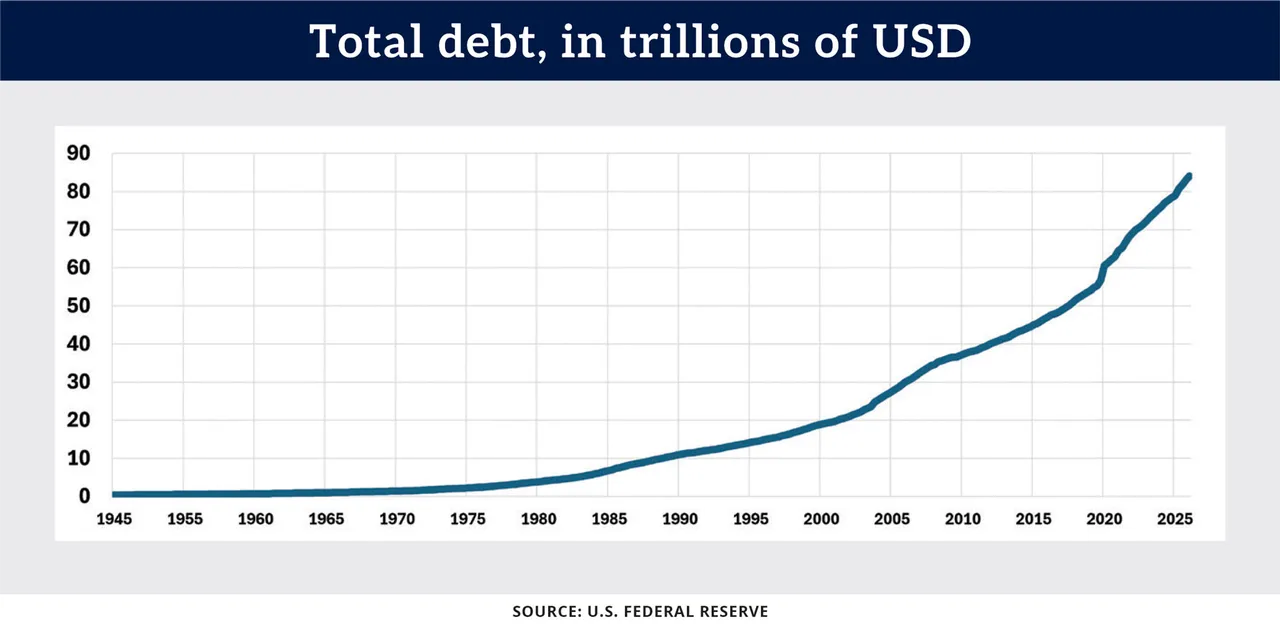
Farmers who lived through Paul Volker’s Fed recall all too well the aftermath of excessive debt: the farm crisis of plunging land prices and rock bottom grain markets. Debt is hardly a four-letter word today, not by a long shot. The U.S. balance sheet is in the red by some $84 trillion — that’s a lot of zeros and a “t.” While up by nearly 50% since the 2020 pandemic, borrowing grew even faster 40 years ago, reaching nearly 20% annually in 1985, when the farm world fell apart.
3 factors contribute to rate hike
New Federal Reserve Chairman Kevin Warsh voted for the unanimous rate hike, despite calls by President Donald Trump for the U.S. to have the lowest rates in the world. Warsh, who was appointed by Trump, said three factors are at work to make the cost of money more expensive. Two of those affect the supply of money — growth takes more cash to fuel a stronger economy, and “geopolitical concerns” (short-hand for Middle East and Ukraine wars) mean more of it is being spent at the pump due to higher fuel costs.
The third factor cited by the Fed fell squarely on the demand side of the monetary scales: “competition for capital.” Businesses, governments and individuals are racing to borrow more to build out the artificial intelligence boom and pay for the cost of relief programs to mitigate impacts from higher fuel prices. That spending is soaking up more and more money, giving lenders the leverage to continually jack up rates.
Sound familiar? The go-go 1970s caused farmers to borrow more for relentless expansion, just as oil embargoes made the consumer price index familiar to non-economists. Two points on debt:
Farm debt. Those levels remain under control despite several years of low profits.
The rest of the economy. That glass may be half-empty or half-full, depending on your perspective. Sure, debt continues to mount inexorably. But the growth rate in debt actually was “only” 5.05% in the second quarter of 2026, the highest for the quarter since the 8.59% hit in 2022.
One reason for the change, of course, was the low base the bounce began from, when the economy actually shrank during the pandemic mini-recession of 2020.
Higher interest ates raise costs
Higher interest rates affect farmers in lots of ways. In addition to paying more for operating interest, the financial cost of storing grain rises because prices must increase enough to reimburse growers for loan payments incurred when grain is held off the market rather than sold at harvest and converted to cash. Higher rates also impact the “capitalized” value of farmland, which decreases when rates are more expensive.
Changing rates also affect currency values. Investors tend to move funds into countries where rates are higher in order to earn more on savings. This didn’t matter so much when the dollar was an island of stability. But other central banks are shedding greenbacks to diversify foreign reserves. This acts as a hedge against uncertain policies in the U.S. and reflects the need for other countries to adjust their own debt levels in a changing world.
Japan raises interest rates
Japan, for example, is raising rates after decades of zero interest, which it needed to fight years of stagnation. That also strengthened the yen against the dollar, worrying Asian partners and emerging markets that their borrowing costs are headed higher too as they adjust against a softer dollar. A stronger yen could also make Japanese products less competitive, hurting that export-driven economy.
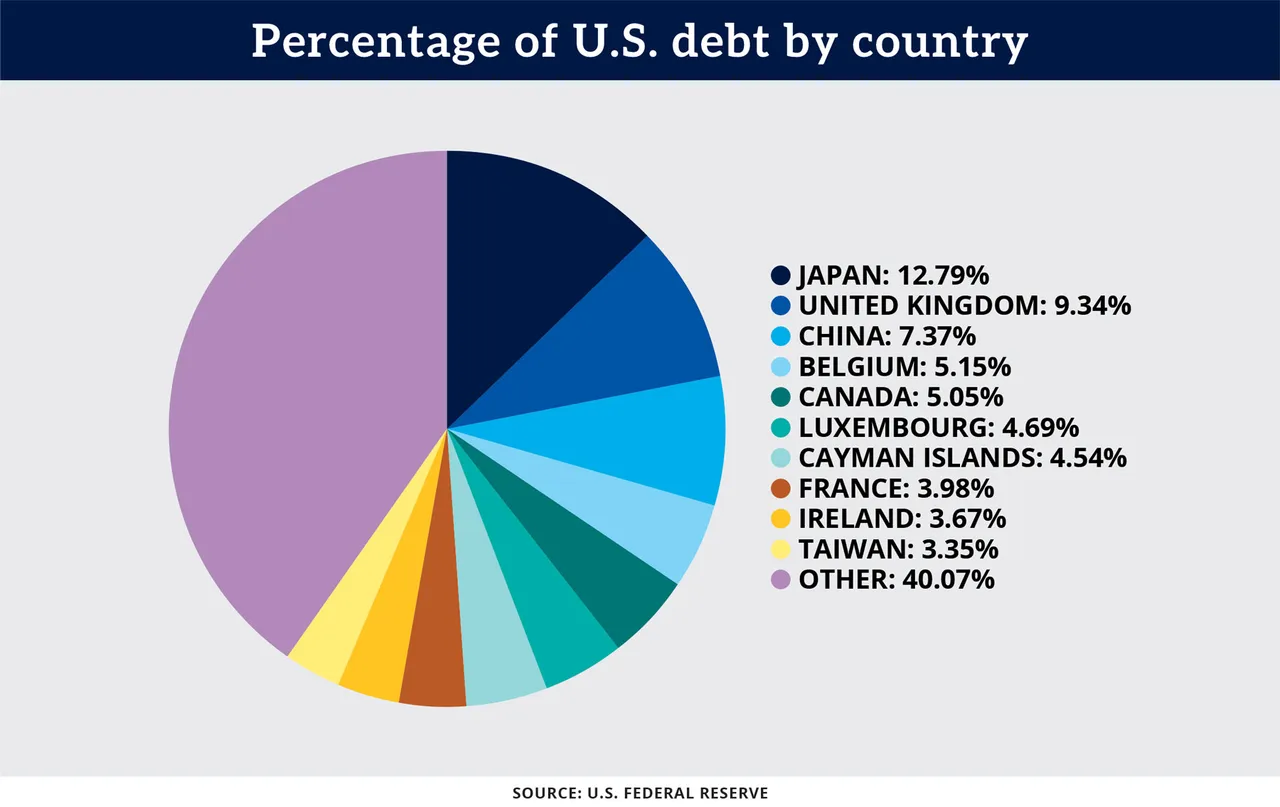
Japan has plenty of reasons to weigh in on U.S. debt levels — $1.86 trillion of them, the highest of any other country holding U.S. debt. Japan’s debt is 12.8% of the total, ahead of the United Kingdom at 9.3% and China at 7.5%.
Short term vs. long term
Still, not all rates are created equal. The Fed controls short-term rates, but the longer end of the yield curve used to peg loans for equipment and land is set by the market. Yields on the 10-year note ticked briefly above 5% last week, worrying some investors that volatile stocks lost their advantage to the staid bond market. Why take risks when you can collect a nice 5% guaranteed coupon?
That, and other questions loom large for a world where money talks. And keeps on talking.